Swimming Pool Equipment Repair: Signs It’s Time to Call a Professional
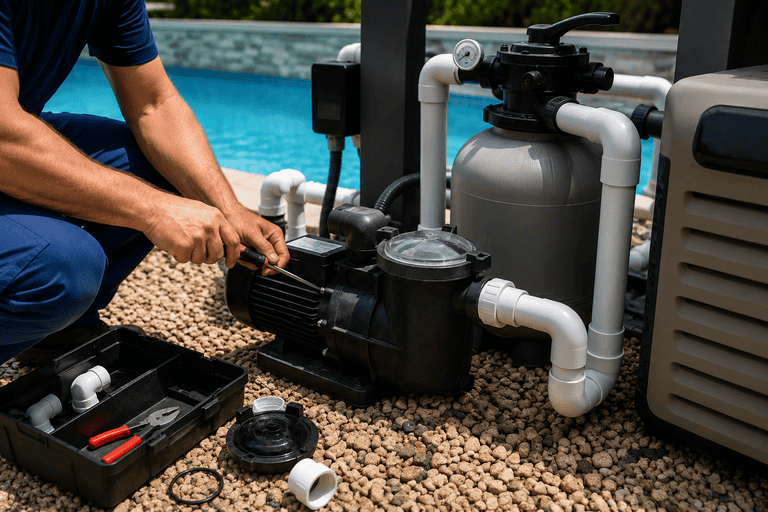
A swimming pool relies on multiple pieces of equipment working together to keep the water clean, safe, and enjoyable. Pumps, filters, heaters, plumbing components, and automation systems all play an important role in maintaining proper pool operation. When one component begins to fail, it can affect the entire system and create larger problems over time. At Salten Pools, many pool owners discover that recognizing early warning signs can help prevent costly repairs and unnecessary downtime.
While some minor maintenance tasks can be handled independently, equipment problems often require professional diagnosis and repair. Knowing when to call an expert can save time, protect your investment, and keep your pool operating efficiently throughout the year.
Why Pool Equipment Should Never Be Ignored
Pool equipment is designed to operate continuously under demanding conditions. Exposure to water, heat, chemicals, and changing weather conditions naturally causes wear over time. Ignoring small problems can lead to system failures that affect water quality, energy efficiency, and swimmer safety.
Many pool owners delay repairs because the equipment still appears to be functioning. However, early intervention often prevents more extensive damage and extends equipment lifespan.
Key reasons prompt attention matters include:
- Small issues often become larger mechanical failures.
- Early repairs help reduce unnecessary equipment strain.
- Proper operation supports healthier water quality.
- Timely service can improve energy efficiency.
- Preventive maintenance protects expensive components.
- Reliable equipment ensures a better swimming experience.
Unusual Noises Often Signal Trouble
Pool equipment should operate relatively smoothly under normal conditions. While some operational sound is expected, unusual noises often indicate internal problems that require inspection.
Grinding, rattling, squealing, or loud humming sounds should never be ignored because they may point to worn bearings, loose components, or motor issues.
Common warning sounds include:
- Grinding noises that may indicate bearing failure.
- High pitched squealing caused by worn motor parts.
- Rattling sounds from loose internal components.
- Excessive vibration that signals imbalance.
- Clicking noises from electrical issues.
- Loud humming that may suggest motor strain.
Professional evaluation helps identify the source before significant damage occurs.
Water Leaks Around Equipment Areas
Water leaks are one of the clearest indicators that professional attention is needed. Even small leaks can waste water, increase utility costs, and damage surrounding equipment.
Leaks often originate from worn seals, cracked housings, loose fittings, or deteriorating plumbing connections.
Signs of leakage include:
- Persistent puddles near equipment pads.
- Damp areas around pumps or filters.
- Water dripping from plumbing connections.
- Unexplained moisture around valves.
- Decreasing pool water levels.
- Visible cracks in equipment components.
Addressing leaks quickly can prevent more extensive system damage.
Poor Water Circulation and Flow Problems
Strong circulation helps distribute chemicals, remove contaminants, and maintain overall water quality. When circulation decreases, pool performance often suffers.
Reduced flow may indicate pump problems, clogged filters, blocked plumbing, or equipment wear.
Indicators of circulation issues include:
- Weak water movement from return jets.
- Debris remaining in the pool despite filtration.
- Uneven chemical distribution.
- Increased algae growth.
- Reduced skimmer performance.
- Cloudy water despite regular maintenance.
Many homeowners seek a professional pool equipment repair service when circulation problems persist.
Cloudy or Green Water Despite Proper Maintenance
Water quality problems are not always caused by chemical imbalance alone. Equipment failures can prevent proper filtration and circulation, making it difficult to maintain clear water.
If routine chemical adjustments are not resolving the issue, equipment inspection may be necessary.
Warning signs include:
- Persistent cloudiness after balancing chemicals.
- Recurring algae growth.
- Difficulty maintaining sanitizer levels.
- Uneven water clarity throughout the pool.
- Increased debris accumulation.
- Frequent water quality fluctuations.
Underlying mechanical issues often contribute to ongoing water problems.
Rising Energy Bills Without Explanation
Pool equipment that struggles to perform efficiently often consumes more electricity. Pumps, heaters, and automated systems may work harder when components begin to fail.
Unexpected increases in energy usage can indicate hidden mechanical issues.
Potential causes include:
- Aging motors operating inefficiently.
- Blocked filtration systems increasing workload.
- Faulty timers causing excessive runtime.
- Heater malfunctions reducing efficiency.
- Circulation problems affecting system performance.
- Electrical component deterioration.
Professional diagnosis can identify the root cause before costs continue to rise.
Pump Problems That Need Immediate Attention
The pump is often considered the heart of the pool system because it keeps water moving through filtration and sanitation processes.
When pump issues develop, overall pool performance can decline rapidly.
Common pump concerns include:
- Loss of prime during operation.
- Excessive noise during startup.
- Reduced water flow.
- Overheating motors.
- Frequent shutdowns.
- Visible water leaks near pump seals.
Many pool owners schedule pool pump repair services as soon as these symptoms appear to avoid complete system failure.
Filter Performance Issues
A properly functioning filter removes contaminants and helps maintain clear water. Over time, filters can become clogged, damaged, or less effective.
Poor filtration often affects overall water quality and circulation.
Filter related warning signs include:
- Pressure readings outside normal ranges.
- Dirty water returning to the pool.
- Frequent clogging.
- Reduced filtration efficiency.
- Visible debris remaining after cleaning.
- Increased maintenance requirements.
Professional inspections help determine whether cleaning, repairs, or replacement are necessary.
Heater Malfunctions Can Affect Comfort
Pool heaters improve comfort and extend swimming seasons. When heating systems fail, water temperatures become difficult to maintain consistently.
Heater issues may involve electrical components, gas systems, sensors, or internal mechanisms.
Signs of heater trouble include:
- Inconsistent water temperatures.
- Failure to reach desired settings.
- Unusual shutdowns.
- Error messages on control panels.
- Reduced heating efficiency.
- Strange operational noises.
Prompt service helps restore performance while preventing further damage.
When Local Expertise Makes a Difference
Different climates create unique demands on pool equipment. Heat, dust, hard water, and extended operating seasons can accelerate wear on system components.
Homeowners looking for Mesa pool equipment repair often benefit from working with professionals who understand regional environmental conditions and equipment challenges.
Advantages of local expertise include:
- Better understanding of climate related wear.
- Faster diagnosis of common regional issues.
- Familiarity with local pool equipment needs.
- More effective maintenance recommendations.
- Improved preventative care planning.
- Reliable long term support.
Local knowledge often leads to more accurate and efficient repairs.
Choosing Qualified Professionals
Not all repair providers offer the same level of experience and expertise. Selecting a knowledgeable service team helps ensure accurate diagnosis and reliable repairs.
A professional approach can improve equipment longevity and overall pool performance.
Important qualities to consider include:
- Experience with multiple equipment brands.
- Thorough diagnostic procedures.
- Strong communication throughout the repair process.
- Preventive maintenance recommendations.
- Reliable service scheduling.
- Commitment to long term customer support.
Many homeowners searching for the best pool equipment repair prioritize expertise, reliability, and transparent service. For additional guidance, explore this helpful resource on whether pool equipment should be repaired or replaced.
Protect Your Pool Before Small Problems Become Big Repairs
Pool equipment issues rarely resolve on their own. Strange noises, leaks, circulation problems, water quality concerns, and rising energy bills are all signs that professional attention may be needed. Acting early can help prevent extensive damage while improving overall pool performance.
At Salten Pools, we understand the importance of keeping every part of your pool system operating efficiently. Whether you are dealing with a minor issue or a major equipment concern, professional support can help restore performance and extend the life of your investment. Contact us today to learn more about expert pool equipment repair solutions designed to keep your pool running smoothly.