How Often Should You Get Professional Pool Maintenance? Here’s Why Weekly Service Matters
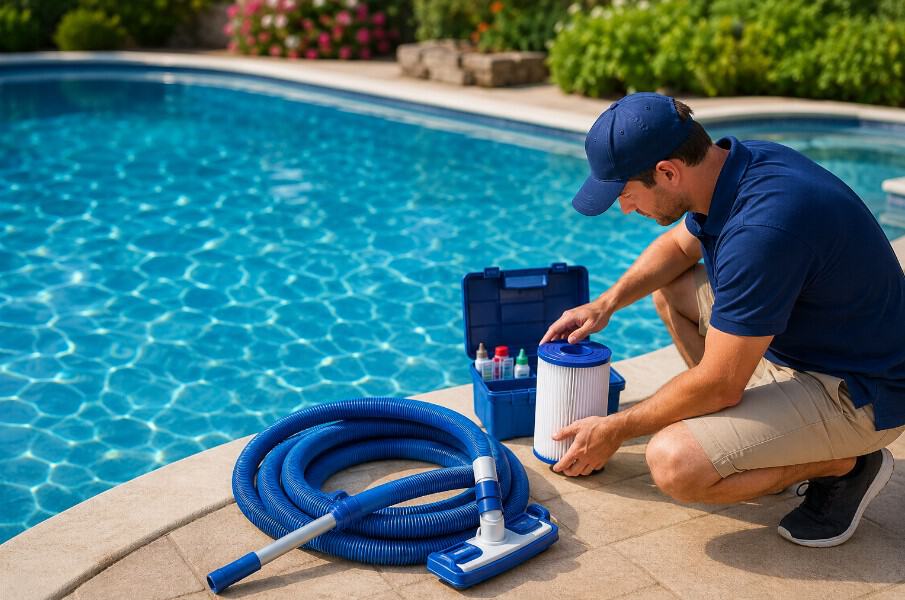
A swimming pool needs regular attention to stay clean, comfortable, and ready to use. While homeowners can handle some basic tasks, professional care provides a consistent way to monitor water quality, remove debris, clean pool surfaces, and check important equipment. Salten Pools understands that every pool has different needs, but weekly attention is often a practical choice for keeping routine maintenance under control. A consistent schedule can also make it easier to notice small changes before they turn into larger maintenance concerns.
Short Answer
For many residential pools, professional maintenance once a week is a practical schedule. Weekly visits allow routine cleaning, water testing, debris removal, and equipment checks to happen consistently. Pools that receive heavy use or are exposed to more leaves, dirt, rain, or other debris may need additional attention. The best schedule depends on pool usage, surrounding conditions, weather, equipment, and the overall condition of the water.
Why Professional Pool Maintenance Matters
A pool may look clean while still having problems that are not obvious from the surface. Water balance, filtration, circulation, debris, and equipment condition all affect how well a pool performs. Regular professional attention helps address these areas as part of one routine. Instead of waiting until water becomes cloudy or debris becomes excessive, routine service keeps basic maintenance moving consistently.
Water testing is particularly important because pool water can change based on swimmer activity, rainfall, temperature, and other conditions. Keeping an eye on water chemistry can help maintain a cleaner and more comfortable swimming environment.
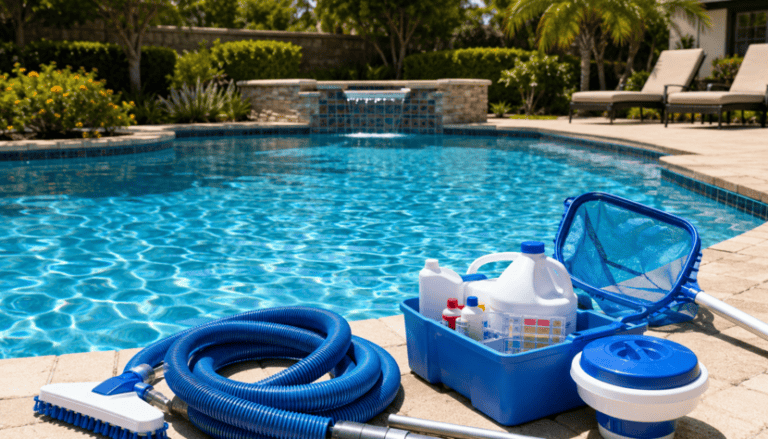
Cleaning is another major part of professional care. Leaves, dirt, pollen, insects, and other materials can enter the pool regularly. Removing them helps keep the pool looking better and reduces the amount of debris that the filtration system has to handle.
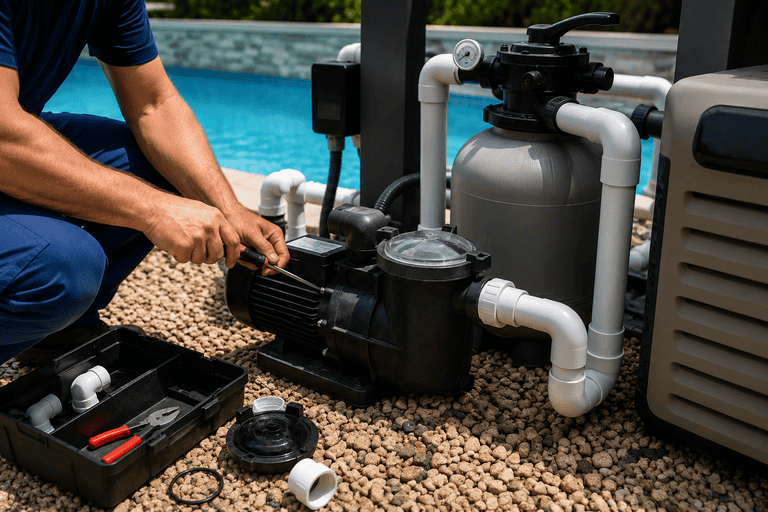
Equipment also deserves attention. Pumps, filters, skimmers, and circulation components all contribute to proper pool operation. Professional maintenance helps keep everyday pool care organized and consistent.
How Often Should A Pool Be Professionally Maintained?
There is no universal schedule for every swimming pool. However, weekly professional maintenance is often a sensible starting point for residential pools. The amount of pool use is one factor to consider. A pool used by several family members throughout the week can experience different maintenance needs than one that is rarely used.
The surrounding environment matters too. A pool near trees may collect leaves and organic debris quickly, while a pool in an open area may be affected more by dust and wind. Weather can also change pool conditions. Rain can introduce debris and affect water chemistry, while periods of warmer weather may increase swimming activity.
Your pool equipment should also be considered. If the filtration or circulation system is not performing as expected, more frequent attention may be useful. A professional can look at these factors and help determine whether weekly visits are enough or whether the pool needs a different routine. Your pool’s environment and usage should determine its maintenance schedule.
What Does Regular Pool Care Include?
Professional pool maintenance involves more than simply taking leaves out of the water. A routine visit can cover several important areas that work together to keep the pool in good condition.
Common maintenance tasks can include:
- Water testing: Checks important water conditions and identifies changes that may need attention.
- Surface cleaning: Removes debris, dirt, and buildup from pool surfaces.
- Skimming: Clears leaves, insects, and other material from the water surface.
- Vacuuming: Helps remove debris that settles at the bottom of the pool.
- Basket cleaning: Removes collected debris from skimmer and pump baskets.
- Equipment checks: Looks for visible signs of unusual operation or potential concerns.
- Circulation checks: Helps ensure water is moving through the pool system properly.
These tasks may vary depending on the pool, equipment, and service routine. The goal is to keep different parts of pool maintenance working together instead of treating cleaning and water care as separate tasks.
Why Weekly Pool Care Makes A Difference
Pool conditions can change surprisingly quickly. A pool that looks perfectly clean at the beginning of the week may collect debris, experience increased use, or develop changes in water balance before the next weekend.
That is why a weekly pool maintenance service can be helpful for homeowners who want a predictable routine. Regular visits create an opportunity to check the pool before small changes are overlooked.
Weekly attention can also reduce the chance of maintenance tasks piling up. Instead of allowing debris, surface buildup, or water issues to continue for several weeks, each visit provides a chance to address routine concerns.
This can be especially useful during periods of frequent swimming. More swimmers can mean more activity in the water, which makes consistent monitoring even more valuable.
A regular schedule also takes some of the responsibility away from homeowners. You do not have to remember every cleaning task or constantly wonder whether the pool needs attention. Weekly care provides consistency when pool conditions are constantly changing.
How Water Quality Affects Your Pool
Clean-looking water is not always a sign that everything is balanced. Pool water needs regular monitoring because several factors can affect its condition. Swimming activity can introduce substances into the water. Rain can change water conditions, while debris from surrounding landscaping can add organic material.
This is one reason a swimming pool weekly service can be useful. Regular professional visits provide an opportunity to monitor the water and respond to changes before they become more noticeable. Water quality can also affect the comfort of swimmers. Poorly maintained water may become cloudy or uncomfortable, while ongoing imbalance can contribute to problems with pool surfaces or equipment.
Filtration and circulation are closely connected to water quality. The system needs to move water effectively so that it can be filtered and treated properly. Routine monitoring helps homeowners stay aware of what is happening in the pool rather than relying only on how the water looks. Consistent water monitoring supports a cleaner and more comfortable pool.
Signs Your Pool Needs More Attention
Sometimes your pool will give you clues that its current maintenance routine needs to be reviewed.
Watch for changes such as:
- Cloudy water: Water that loses its usual clarity may need closer attention.
- Heavy debris: Large amounts of leaves or dirt can increase cleaning needs.
- Unusual odors: A noticeable change in smell may indicate that the water needs checking.
- Surface buildup: Deposits or visible buildup should not be ignored.
- Poor circulation: Reduced water movement can affect filtration and overall pool performance.
- Equipment changes: Unusual sounds or changes in operation may require professional attention.
- Frequent water changes: Repeated water-quality issues may mean the current routine needs adjustment.
These signs do not always mean there is a major problem. They simply indicate that the pool may benefit from a closer look. Paying attention to small changes can help you address concerns earlier.
Benefits Of Staying On A Consistent Schedule
A consistent maintenance routine can make pool ownership easier while supporting the overall condition of the pool. Regular care helps keep routine tasks from being forgotten. It also creates a pattern that makes unusual changes easier to recognize. Homeowners can benefit from having cleaning and water checks handled regularly instead of waiting until a visible problem develops.
Some of the main advantages include:
- Cleaner appearance: Regular cleaning helps keep surfaces and water looking cared for.
- Consistent monitoring: Routine visits make water changes easier to identify.
- Early awareness: Small equipment or water concerns can be noticed sooner.
- Less buildup: Regular attention helps prevent debris and dirt from accumulating.
- Better organization: A set routine makes pool maintenance easier to manage.
- More convenience: Professional care can reduce the amount of routine work homeowners need to handle.
For many homeowners, the biggest advantage is simply knowing that pool maintenance is being addressed regularly. Consistency makes everyday pool care easier to manage.
How To Choose The Right Maintenance Routine
Choosing a maintenance schedule starts with understanding how your pool is used. Think about how many people swim regularly and whether the pool is used more during certain periods. Next, consider the surroundings. Trees, landscaping, wind, dust, and weather can all affect how quickly debris enters the water.
The condition of the equipment should also be considered. A pool with older or heavily used equipment may require closer observation. It is also useful to pay attention to how quickly the pool changes between cleanings. If debris returns quickly or water conditions change often, the current routine may need adjustment.
A professional can help assess these factors and suggest a schedule that fits the pool instead of simply following a standard routine. The right schedule should match your pool’s real-world conditions.
Simple Ways To Support Pool Care
Professional maintenance works best when homeowners also follow a few simple habits between visits. These small steps can help keep the pool in better condition. Keeping loose debris away from the pool area can reduce the amount of material that enters the water. Homeowners should also pay attention to changes in water appearance and equipment performance. Reporting unusual changes early can help a professional investigate them sooner.
During periods of heavy use, it is helpful to let the maintenance professional know that pool activity has increased. A weekly pool cleaning routine can also help maintain a more consistent appearance and reduce the amount of debris that sits in the pool between professional visits.
Simple habits do not replace professional care, but they can support the work being done during scheduled maintenance. Small homeowner habits can make regular professional maintenance more effective.
When Should You Consider More Frequent Service?
Weekly maintenance may be enough for many pools, but certain conditions can increase maintenance needs. Understanding these situations can help you decide when to discuss a different schedule with a professional.
A pool that is used heavily may require closer monitoring because swimmer activity can affect water conditions. Pools surrounded by trees can also collect leaves, pollen, and other debris quickly. After storms or periods of strong wind, the amount of material entering the pool may increase. Another consideration is the pool’s equipment. If circulation or filtration needs more frequent observation, a professional may recommend additional attention.
Changes in water quality are another reason to review your routine. If problems repeatedly appear before the next scheduled visit, your current schedule may need to be adjusted. A consistent weekly pool service routine may work for many pools, but individual conditions can call for more attention.
Give Your Pool The Care It Deserves
Professional pool maintenance is about more than keeping the water looking clean. It is about creating a regular routine for water monitoring, cleaning, debris removal, circulation, and equipment awareness. For many homeowners, weekly care provides a simple way to stay ahead of routine maintenance and keep the pool ready for regular use. Salten Pools can help homeowners understand their pool’s maintenance needs and establish a practical routine based on usage and surrounding conditions. If you are unsure whether your current schedule is right for your pool, Contact Us to discuss your maintenance needs and find a routine that works for your pool.