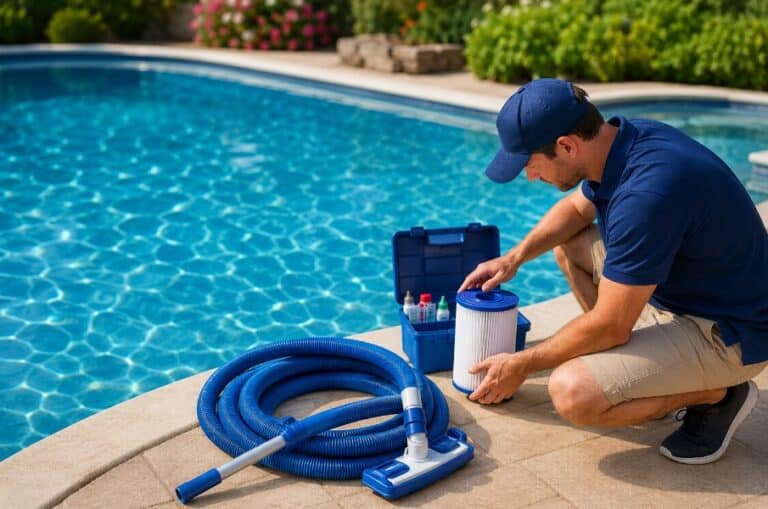
Pool Equipment Repair vs Replacement: What to Choose

Maintaining a pool requires more than just regular cleaning it involves keeping essential equipment in top condition. Over time, components such as pumps, filters, and heaters begin to wear out, leaving homeowners with a critical decision: repair or replace. Experts like Salten Pools help evaluate these situations to ensure you make a cost-effective and long-term decision.
When planning pool remodeling, understanding whether to fix or upgrade your equipment can save money, improve efficiency, and extend the life of your pool system.
Why This Decision Matters in Pool Maintenance
Choosing between repair and replacement is not just about immediate costs it affects your pool’s performance, safety, and long-term expenses. Older equipment may continue to function with repairs, but it can become inefficient and unreliable over time. On the other hand, replacing equipment requires a higher upfront investment but often delivers better performance and savings.
Making the right decision ensures your pool operates smoothly and efficiently.
- Improve system efficiency by choosing solutions that reduce energy consumption and optimise performance.
- Avoid recurring repair costs that can add up over time and exceed replacement expenses.
- Maintain consistent water quality and circulation with reliable equipment.
- Enhance overall pool safety by preventing sudden equipment failures.
Repair vs Replacement Decision Guide
Deciding whether to repair or replace pool equipment depends on factors such as age, repair costs, and efficiency. Professionals often use industry guidelines to help homeowners make informed decisions. Understanding these factors can prevent unnecessary expenses and improve long-term performance.
- Repair equipment when issues are minor, isolated, and cost-effective to fix.
- Replace equipment when it is nearing the end of its lifespan or requires frequent repairs.
- Consider energy savings and efficiency improvements when upgrading to modern systems.
- Evaluate total long-term costs rather than focusing only on immediate expenses.
Understanding the 50% Rule
The 50% rule is a widely used guideline in the pool industry. It helps homeowners decide whether repairing or replacing equipment is the better option. This rule compares the cost of repair to the cost of a new unit, making decision-making easier and more practical.
Using this rule can prevent overspending on outdated systems.
- Replace equipment when repair costs exceed 50% of the price of a new unit, as replacement offers better long-term value.
- Repair equipment when the issue is minor and the cost is significantly lower than replacement.
- Consider the age of the equipment when applying the rule to ensure accurate decision-making.
- Use this guideline as a starting point while also evaluating performance and efficiency factors.
Average Lifespan of Pool Equipment
Knowing how long pool equipment typically lasts can help you determine whether repair or replacement is the better choice. Each component has a different lifespan, and understanding these timelines helps you plan upgrades effectively.
This knowledge allows for proactive maintenance and budgeting.
- Pool pumps generally last between 7–12 years, though older single-speed models may wear out sooner.
- Pool filters can last 10–15 years, but internal components like cartridges require regular replacement.
- Pool heaters typically function effectively for 7–12 years before efficiency declines.
- Salt systems have shorter lifespans, with salt cells lasting 3–7 years and control systems lasting longer.
Signs Your Pool Equipment Needs Repair
Recognising early warning signs can help you address issues before they become major problems. Ignoring these signs can lead to costly damage and reduced pool performance.
Timely swimming pool equipment repair ensures your system continues to operate efficiently.
- Unusual noises such as grinding or screeching often indicate internal component failure.
- Reduced water flow or circulation suggests issues with pumps or filters.
- Frequent system shutdowns may point to overheating or electrical problems.
- Visible leaks or corrosion indicate wear and potential structural damage.
When to Choose Pool Equipment Repair
Repairing equipment is often the best choice when the issue is minor and the system is relatively new. It allows you to extend the life of your equipment without the cost of replacement.
Professional pool equipment repair services can quickly resolve common issues.
- Fix minor problems such as worn seals, switches, or small electrical faults without replacing the entire unit.
- Repair equipment that is still under warranty to avoid unnecessary replacement costs.
- Address isolated issues that do not affect the overall system performance.
- Use repair as a short-term solution when planning future upgrades.
When Replacement Is the Better Option
Replacing equipment becomes necessary when repairs are no longer cost-effective or reliable.
New systems offer improved efficiency, better performance, and advanced features.
Consulting swimming pool contractors ensures proper installation and long-term benefits.
- Replace equipment that is nearing the end of its lifespan to avoid frequent breakdowns.
- Upgrade systems that require multiple repairs each year, increasing maintenance costs.
- Choose replacement when energy efficiency improvements can significantly reduce utility bills.
- Invest in modern technology that enhances performance and convenience.
Benefits of Upgrading Pool Equipment
Modern pool equipment offers several advantages compared to older systems. Upgrading during pool remodeling can improve efficiency and reduce operational costs.
These benefits make replacement a worthwhile investment.
- Variable-speed pumps reduce energy consumption and lower electricity bills significantly.
- Advanced filtration systems improve water quality and reduce maintenance efforts.
- Smart automation systems allow remote control and monitoring of pool functions.
- New equipment comes with warranties that provide added peace of mind.
Cost Comparison: Repair vs Replacement
Understanding the cost difference between repair and replacement helps you make an informed decision. While repairs may seem cheaper initially, repeated fixes can become expensive over time.
Evaluating total costs ensures better financial planning.
- Repairs typically involve lower upfront costs but may increase over time with repeated issues.
- Replacement requires a higher initial investment but reduces long-term maintenance expenses.
- Energy-efficient equipment lowers utility costs, offsetting replacement expenses.
- Long-term reliability reduces unexpected breakdowns and repair costs.
Energy Efficiency and Long-Term Savings
Energy efficiency is a major factor when deciding whether to replace pool equipment. Older systems often consume more energy and operate less efficiently.
Upgrading to modern systems can result in significant savings.
- Energy-efficient pumps reduce electricity usage and operating costs.
- Improved heating systems maintain temperature more effectively while using less energy.
- Automated systems optimise performance based on real-time needs.
- Reduced energy consumption contributes to long-term cost savings.
Choosing the Right Pool Equipment Repair Service
Selecting the right service provider is essential for both repairs and replacements.A reliable pool equipment repair service ensures quality work and long-lasting results.
Professional expertise helps you make the best decision for your pool.
- Choose experienced technicians with a strong reputation in the industry.
- Ensure the service provider offers both repair and replacement options.
- Look for transparent pricing and detailed assessments before work begins.
- Verify that the company uses high-quality parts and equipment.
How Pool Remodeling Impacts Equipment Decisions
Pool remodeling projects often involve evaluating existing equipment. Upgrading equipment during renovation ensures compatibility with new features. This approach improves overall system performance and efficiency.
- Replace outdated equipment to match modern pool designs and features.
- Integrate new systems such as automation and energy-efficient pumps.
- Improve overall functionality by aligning equipment with renovation goals.
- Enhance long-term value by combining upgrades with structural improvements.
Conclusion
Deciding between repair and replacement is a crucial part of maintaining an efficient and reliable pool system. While repairs can extend the life of your equipment, replacement often provides better long-term value, improved efficiency, and enhanced performance.
Experts like Salten Pools can help you evaluate your equipment and determine the best course of action based on your needs and budget. Whether you choose repair or replacement, making an informed decision ensures your pool remains functional and cost-effective. If you are planning upgrades or need expert advice, contact us today to explore the best solutions for your pool.