Weekly Pool Cleaning Checklist: How Professionals Keep Pools Crystal Clear Year-Round
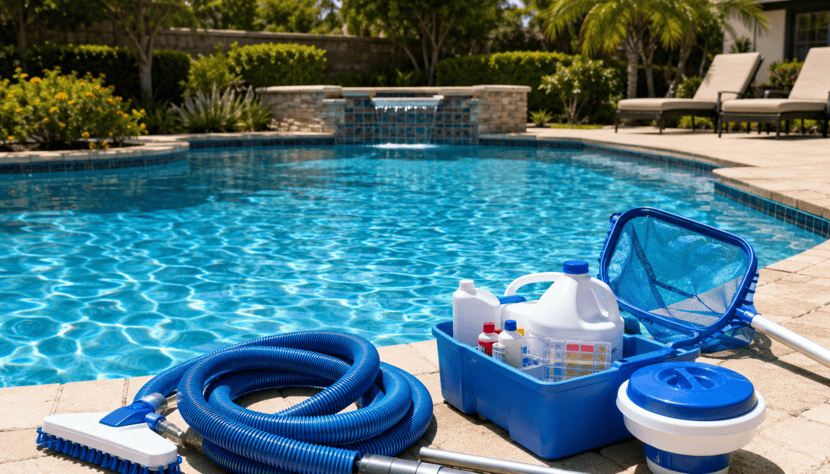
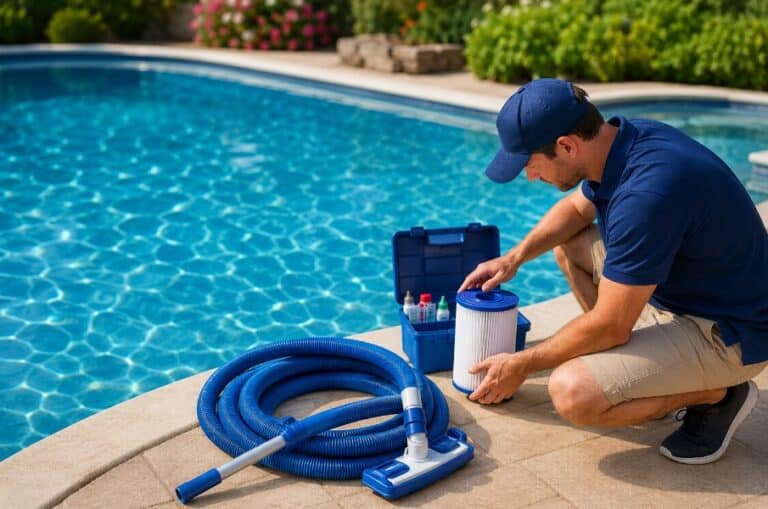
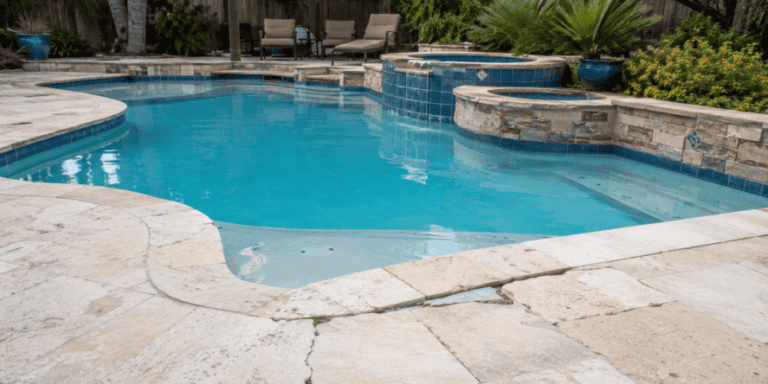
Keeping a swimming pool crystal clear throughout the year requires much more than occasionally skimming leaves from the surface. Clean water is the result of consistent maintenance, proper water balance, routine equipment inspections, and preventive care that stops small problems from becoming expensive repairs. A well-maintained pool not only looks inviting but also creates a healthier and safer environment for everyone who uses it. Whether your pool is used every day or only on weekends, following a structured cleaning routine makes a noticeable difference. Salten Pools understands that professional maintenance is built on consistency, attention to detail, and regular inspections that help homeowners enjoy their pools without unnecessary stress.
Why A Weekly Maintenance Routine Matters
Many pool owners assume their water is clean simply because it looks clear. However, contaminants such as pollen, sunscreen, body oils, insects, dust, and microscopic debris build up throughout the week. These invisible particles affect water chemistry, place extra strain on filtration equipment, and create conditions where algae and bacteria can develop if left untreated.
Professional pool technicians never wait until problems become visible. Instead, they follow a proven maintenance checklist every week to keep every part of the pool functioning correctly. This proactive approach protects the pool’s appearance, extends equipment life, and provides consistently healthy swimming conditions throughout every season.
Benefits of Following A Weekly Checklist
- Prevents algae growth before it becomes visible, helping maintain sparkling water without allowing slippery surfaces or green patches to develop.
- Maintains balanced water chemistry consistently, creating a safer swimming environment while protecting pool finishes and equipment from unnecessary wear.
- Improves water circulation throughout the system, allowing sanitizers to work more effectively and reducing stagnant areas where debris can collect.
- Protects pumps, filters, and heaters from excessive strain, helping equipment perform efficiently and extending its overall lifespan.
- Reduces the likelihood of unexpected repairs, since routine inspections identify small concerns before they become larger maintenance issues.
- Keeps the pool inviting every day, allowing homeowners to enjoy clean water without spending hours catching up on neglected maintenance.
Remove Floating Debris Before It Sinks
Removing floating debris is one of the first steps professionals complete during pool maintenance. Leaves, insects, dust, and other outdoor materials can affect water quality as they break down over time. Regular skimming prevents debris buildup, reduces strain on the filtration system, and helps maintain cleaner water.
Professionals also check skimmer baskets to ensure proper water flow and circulation. Keeping the pool surface clean is a simple but effective way to support healthy water throughout the week.
Surface Cleaning Essentials
- Skim leaves from the surface every visit to prevent organic material from decomposing and affecting water clarity.
- Remove insects and floating debris promptly, reducing contamination before it settles on the pool floor.
- Empty skimmer baskets completely, allowing water to circulate efficiently through the filtration system.
- Inspect pool corners carefully, as floating debris often collects where water movement is limited.
- Clear debris near return jets, ensuring unrestricted circulation across the entire pool.
- Keep nearby landscaping trimmed, reducing the amount of leaves and plant material entering the water.
Brush Pool Walls, Steps, And Waterline
Brushing the pool regularly helps prevent algae, mineral buildup, and surface stains. Even well-balanced pools can collect dirt on walls, steps, ladders, and corners where circulation is limited.
Professional brushing removes contaminants before they become difficult to clean and helps sanitizers work more effectively. Paying extra attention to the waterline also prevents oil and residue buildup while keeping pool finishes looking fresh.
Why Brushing Is So Important
- Removes early algae growth before it spreads, keeping pool surfaces cleaner throughout the season.
- Prevents calcium and mineral deposits, helping preserve the original appearance of plaster, tile, and other finishes.
- Improves sanitizer effectiveness, allowing cleaning chemicals to reach every part of the pool more efficiently.
- Keeps steps and entry areas cleaner, making them safer and more comfortable for swimmers.
- Protects decorative tile from stubborn buildup, reducing the need for aggressive cleaning later.
- Maintains a polished appearance, ensuring every part of the pool looks fresh and well cared for.
Vacuum Every Section Thoroughly
After brushing, professionals vacuum the entire pool to remove debris that has settled onto the floor. Dust, sand, small leaves, and fine particles gradually sink over time, even when surface skimming is performed regularly. If ignored, this debris contributes to cloudy water and provides an environment where algae may begin growing.
Vacuuming also improves water circulation because dirt is removed before it can interfere with filtration. Professional cleaning focuses on every section of the pool, including corners, steps, deep areas, and tight spaces where debris naturally accumulates.
Homeowners looking for dependable swimming pool weekly maintenance often choose professional services because technicians know how to clean every area thoroughly while protecting pool finishes from unnecessary wear.
Professional Vacuuming Checklist
- Remove settled dirt from the entire pool floor, preventing debris from affecting water clarity over time.
- Clean deep-end areas carefully, where heavier particles often collect due to reduced water movement.
- Reach tight corners and curved surfaces, ensuring no hidden debris remains after cleaning.
- Eliminate fine dust and sand completely, reducing cloudiness and improving the overall appearance of the water.
- Protect delicate pool finishes during cleaning, using proper equipment and techniques suited for each surface.
- Support efficient filtration performance, allowing pumps and filters to operate under cleaner conditions.
If you are interested in learning more about professional maintenance services, read our detailed guide on Weekly Pool Service.
Test And Balance Water Chemistry
Crystal-clear water requires more than regular cleaning. Unbalanced water chemistry can cause algae growth, cloudy water, equipment damage, and uncomfortable swimming conditions. Professionals test water weekly because factors like weather, sunlight, rainfall, swimmer activity, and debris can affect chemical levels.
Maintaining proper balance protects pool surfaces and equipment while preventing larger issues. Regular testing helps technicians identify changes early, make necessary adjustments, and keep your pool safe, clean, and enjoyable throughout the year.
Weekly Water Testing Includes
- Check sanitizer levels regularly to ensure the water stays clean, healthy, and protected against harmful contaminants.
- Monitor pH carefully because balanced pH improves swimmer comfort while helping sanitizers perform more effectively.
- Test total alkalinity consistently to keep the water stable and prevent sudden chemical fluctuations.
- Review calcium hardness levels to reduce the risk of scaling or surface deterioration over time.
- Inspect water clarity during every visit so early signs of imbalance can be corrected before becoming noticeable.
- Adjust chemical levels gradually to maintain a balanced swimming environment without placing unnecessary stress on pool surfaces or equipment.
Inspect Pool Equipment For Reliable Performance
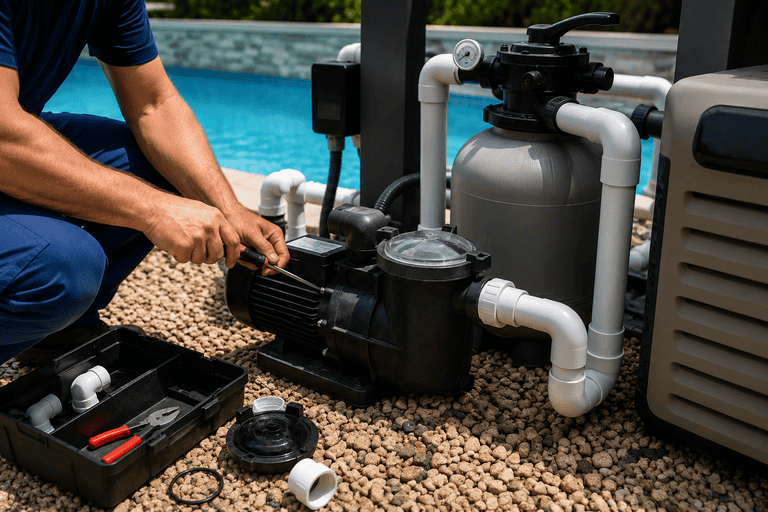
Pool equipment works continuously to keep water circulating, filtered, and clean. Regular inspections help identify early signs of wear in pumps, filters, heaters, and automation systems before they lead to larger problems. A reliable weekly pool maintenance service allows professionals to detect issues early, maintain equipment performance, and reduce the risk of unexpected repairs.
Equipment Inspection Checklist
- Inspect the pool pump carefully to ensure it operates smoothly without excessive noise or vibration.
- Check filter pressure readings to confirm the filtration system is working efficiently throughout the week.
- Look for plumbing leaks around valves, fittings, and visible pipe connections before water loss becomes significant.
- Verify timer and automation settings so cleaning cycles continue operating according to schedule.
- Monitor return jets for strong circulation to ensure water moves evenly throughout the entire pool.
- Identify unusual equipment sounds early because changes in noise often indicate developing mechanical concerns.
Clean Filters To Improve Water Quality
The filtration system is one of the hardest-working parts of any swimming pool. Every day it captures dust, dirt, pollen, insects, body oils, and countless microscopic particles that would otherwise remain suspended in the water. As debris accumulates inside the filter, circulation gradually becomes less efficient.
Professional maintenance includes routine filter inspections and cleaning to ensure maximum performance. A clean filter improves water clarity, reduces strain on the pump, and helps sanitisers circulate more effectively throughout the pool.
Filter Maintenance Best Practices
- Remove trapped debris regularly to maintain strong filtration and improve overall water clarity.
- Inspect filter components carefully for signs of wear or damage that may reduce efficiency.
- Support consistent water circulation by keeping filtration equipment clean and unobstructed.
- Reduce unnecessary strain on the pump through proper filter maintenance and routine inspections.
- Improve the effectiveness of sanitisers by allowing cleaner water to circulate freely.
- Extend the lifespan of filtration equipment through ongoing preventative maintenance rather than reactive repairs.
Watch For Small Problems Before They Grow
Professional maintenance helps identify small issues before they become major problems. Changes in water level, equipment performance, or pool surfaces often indicate concerns that should be addressed early. Homeowners researching weekly pool cleaning service cost often find that consistent preventative maintenance helps reduce the risk of unexpected repairs and keeps the pool operating efficiently year-round.
Early Warning Signs Professionals Monitor
- Unexpected water loss may indicate hidden plumbing or structural leaks requiring further inspection.
- Cloudy water despite regular cleaning often signals developing filtration or chemical balance issues.
- Visible stains appearing on pool surfaces may point to mineral deposits, organic contamination, or water imbalance.
- Reduced circulation around return jets can indicate equipment restrictions or developing pump problems.
- Unusual noises from equipment frequently suggest worn mechanical components needing attention.
- Small surface cracks or loose tiles should always be evaluated before they expand into larger structural concerns.
Adjust Your Maintenance Routine With The Seasons
Although weekly maintenance is important throughout the year, each season brings different challenges that affect your pool. Changes in temperature, rainfall, wind, and falling leaves can impact water chemistry and increase cleaning needs. Professional technicians adjust their maintenance routine to match seasonal conditions, helping maintain water quality, protect equipment, and keep the pool clean, balanced, and ready for swimming all year long.
Seasonal Maintenance Tips
- Increase debris removal during windy periods to stop leaves, dust, and organic material from affecting water quality.
- Inspect water chemistry more frequently after heavy rain because rainfall can dilute chemical levels and alter water balance.
- Monitor water levels throughout hot weather since higher temperatures naturally increase evaporation.
- Check filtration performance during peak swimming season when increased pool use places additional demand on equipment.
- Remove fallen leaves quickly during autumn months to prevent staining, clogged skimmers, and unnecessary chemical consumption.
- Prepare equipment before seasonal weather changes to keep pumps, filters, and circulation systems operating efficiently all year.
Enjoy Crystal-Clear Water Every Week With Professional Care
Keeping your pool clean year-round starts with a consistent maintenance routine. Regular cleaning, balanced water chemistry, equipment inspections, and preventative care all work together to keep your pool safe, efficient, and ready to enjoy. Staying on top of weekly maintenance also helps protect your investment and reduces the risk of unexpected repairs.
Contact us today to learn how professional pool care can keep your water sparkling in every season. With trusted service from Salten Pools, you can enjoy a cleaner, healthier, and more inviting pool while spending less time worrying about maintenance and more time enjoying your outdoor space.