Pool Pump Problems: Which Warning Signs Should You Take Seriously?
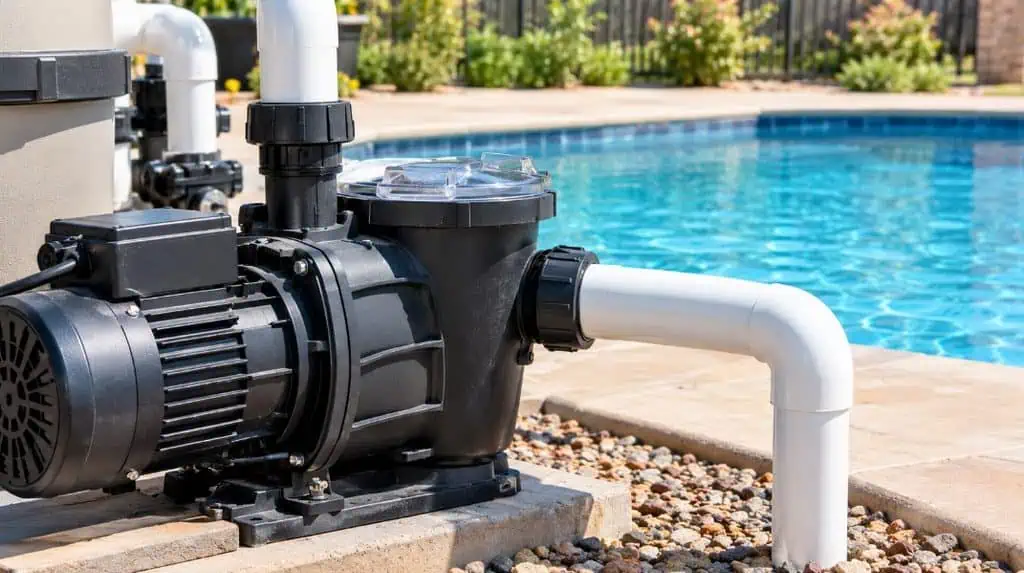
Your pool pump plays a central role in keeping pool water moving through the filtration and circulation system. When the pump works properly, water can flow through the filter, debris can be removed, and pool chemicals can circulate more evenly. When something starts going wrong, however, the warning signs may appear before the pump stops working completely.
Recognizing these signs early can help prevent a small issue from becoming a larger equipment problem. Strange sounds, weak water flow, leaks, overheating, and repeated shutdowns are all worth paying attention to.
Salten Pools helps homeowners understand the importance of keeping pool equipment in good working condition. Knowing what to watch for can help you respond sooner and keep your pool system operating more reliably.
Why Your Pool Pump Matters
A pool pump is responsible for moving water through the circulation system. It draws water from the pool, sends it through the filtration system, and returns cleaner water back into the pool.
Because the pump runs regularly during normal pool operation, problems can affect more than one part of the system. Poor circulation can make it harder for the filter to do its job and may also affect how evenly pool chemicals move through the water.
Understanding the pump’s role makes it easier to recognize when something does not seem right.
- Water circulation: The pump keeps water moving through the pool’s circulation system.
- Filtration support: Moving water allows the filter to capture debris and unwanted particles.
- Chemical distribution: Circulation helps distribute pool chemicals throughout the water.
- Equipment protection: Proper flow helps the wider circulation system operate as intended.
- Water quality: Reliable circulation supports clearer and more evenly treated pool water.
A pump does not have to stop completely before you take action. Small changes in sound, pressure, flow, or performance can be useful early warnings.
Strange Or Unusually Loud Noises
A pool pump will make some noise during normal operation, but a noticeable change in sound deserves attention. A pump that suddenly becomes louder, starts rattling, grinding, squealing, or humming differently may be experiencing a mechanical or circulation issue.
The type of sound can sometimes provide a clue about what is happening. For example, rattling may suggest something is loose, while grinding can indicate a problem with internal components. A loud humming sound without normal water movement may also point to an issue that needs inspection.
Do not assume that a noisy pump will correct itself. Continuing to run equipment that is making an unusual sound can potentially make an underlying problem worse.
- Listen for changes: A sudden change from the pump’s normal sound is worth investigating.
- Notice grinding: Grinding noises may indicate a mechanical component problem.
- Watch for rattling: Persistent rattling can suggest loose or damaged parts.
- Pay attention to humming: A humming pump without proper circulation may need professional attention.
- Avoid unnecessary operation: Turn the equipment off if you suspect a serious mechanical problem.
Keeping track of how your pump normally sounds can make unusual changes much easier to identify.
Weak Or Reduced Water Flow
Water flow is one of the clearest signs that something may be wrong with your pool circulation system. If the return jets suddenly have noticeably less pressure, water may not be moving through the system as it should.
Reduced flow can have several possible causes. A dirty filter, blocked basket, air entering the system, a clogged line, or a pump-related problem may all affect circulation.
Before assuming the pump itself has failed, check the simpler components you can safely inspect. If the problem continues after basic checks, professional assessment may be appropriate.
- Check the pump basket: Debris can restrict water movement through the system.
- Inspect the filter: A heavily loaded filter can reduce circulation.
- Watch the return jets: A noticeable drop in pressure can indicate a flow problem.
- Look for air: Excessive air in the system can affect normal water movement.
- Compare normal flow: Knowing your usual circulation makes changes easier to spot.
Reduced flow should not be ignored, particularly when it continues after basic maintenance.
Water Leaks Around The Pump
Water around the pump area is another warning sign that deserves attention. A small amount of moisture may indicate a loose connection, damaged seal, cracked component, or another issue within the circulation system.
Finding the source of a leak can sometimes be difficult because water may travel along equipment or nearby surfaces before becoming visible. That is why simply wiping up the water does not solve the underlying problem.
If you notice repeated moisture around the pump, investigate the issue rather than assuming it is harmless.
- Look for recurring moisture: Water that keeps returning may indicate an active leak.
- Check visible connections: Loose or damaged connections can allow water to escape.
- Watch for pooling: Standing water around equipment should not be ignored.
- Look beneath the pump: Moisture underneath the housing may point to a seal or equipment issue.
- Protect nearby components: Continued water exposure can affect surrounding equipment.
Prompt attention can help prevent a minor leak from creating additional problems around the equipment area.
The Pump Keeps Overheating
A pool pump can become warm during operation, but excessive heat, repeated overheating, or automatic shutdowns can indicate a problem. Overheating may be related to restricted airflow, electrical issues, blocked circulation, or a mechanical fault.
If the pump repeatedly becomes extremely hot or shuts itself off, avoid repeatedly restarting it without finding the cause. Continuing to operate equipment under abnormal conditions may place additional stress on the system.
This is a situation where professional pool pump repair may be appropriate, especially when the cause is not obvious from a basic inspection.
- Notice repeated shutdowns: Frequent automatic stops can signal overheating or another equipment issue.
- Check the surroundings: Keep the pump area clear of objects that restrict airflow.
- Listen for unusual operation: Heat combined with abnormal sounds deserves extra attention.
- Avoid repeated restarting: Constantly restarting an overheating pump may increase equipment stress.
- Seek professional help: Persistent overheating should be properly diagnosed.
The goal is not simply to get the pump running again. The underlying cause should be identified so the problem does not continue.
The Pump Will Not Start
Few pool equipment problems are as obvious as a pump that will not turn on. However, the reason for a failed start can range from a simple electrical issue to a more serious equipment problem.
Start with safe, basic checks. Make sure the relevant power supply has not been interrupted and look for obvious signs of an electrical problem. If the pump still does not operate, avoid repeatedly switching it on and off.
Electrical components can be dangerous to inspect without the right knowledge and equipment. If you are unsure about the cause, professional assistance is the safer option.
- Check the power supply: Confirm that power has not been interrupted.
- Look for obvious damage: Do not operate equipment with visible electrical damage.
- Listen when starting: A humming sound without normal operation may provide a useful clue.
- Avoid electrical repairs: Do not open electrical components unless qualified to do so.
- Arrange an inspection: Persistent failure to start should be properly diagnosed.
A pump that suddenly stops working should be treated as an equipment issue rather than something to repeatedly restart and ignore.
Air Bubbles Keep Appearing
Some air in a pool circulation system can occur during normal operation, but persistent or unusual air bubbles may indicate that air is entering the system where it should not.
You may notice air collecting in the pump basket or returning through the pool jets. In some situations, the issue may involve the pump lid, seals, connections, water level, or another part of the circulation system.
The important point is to recognize when the amount of air has changed from normal operation.
- Watch the pump basket: Persistent air accumulation can indicate a circulation issue.
- Check the water level: Low water levels can contribute to air entering the system.
- Inspect visible seals: Worn or damaged seals may allow air into the system.
- Observe return jets: Excessive bubbles may indicate that air is entering the circulation line.
- Monitor recurring problems: An issue that repeatedly returns deserves further investigation.
If basic checks do not identify the cause, professional pool equipment repair services can help locate the source of the circulation problem.
The Pump Loses Its Prime
A pump needs water to move properly through the circulation system. When it loses its prime, it may stop circulating water correctly and may require attention before normal operation can resume.
Repeatedly losing prime is particularly important because it may indicate an underlying issue rather than a one-time event. Possible causes can include air entering the system, low water levels, blocked components, or problems with connections or seals.
If the pump repeatedly loses prime, focus on finding out why rather than simply restoring operation each time.
- Check water levels: Make sure the pool has enough water for proper circulation.
- Inspect the pump lid: A poor seal can allow air to enter the system.
- Look for blockages: Restrictions can interfere with normal water movement.
- Monitor recurring loss: Repeated loss of prime indicates that further investigation may be needed.
- Avoid dry operation: Running a pump without adequate water flow can damage equipment.
For more information about what to do when circulation stops unexpectedly, read this guide on emergency pool pump repair and what to do when your pool stops working.
Other Warning Signs You Should Not Ignore
Not every pump problem begins with a dramatic failure. Sometimes the first indication is a small change that becomes more noticeable over time.
Pay attention to changes in water quality, pump performance, pressure, or operating patterns. When several small warning signs appear together, they may point to a larger circulation problem.
These signs can also help you decide when basic maintenance is no longer enough.
- Cloudy water: Poor circulation can contribute to water quality problems.
- Frequent filter issues: Repeated filtration problems may be connected to circulation.
- Changing pressure: Unexpected pressure changes can indicate a system restriction or equipment issue.
- Longer operation: A pump that seems to run longer than usual may not be operating efficiently.
- Repeated problems: Recurring issues are a reason to consider professional inspection.
Professional swimming pool equipment repair can help identify problems affecting the pump and related components when routine maintenance does not resolve the issue.
When Should You Stop Running The Pump?
Knowing when to stop operating the pump can help protect the equipment and reduce the risk of a more serious problem. Not every unusual sound or minor change means the pump needs to be switched off immediately, but certain warning signs deserve caution.
If you notice smoke, a strong electrical smell, exposed wiring, severe overheating, major water leakage, or unusual mechanical noises, stop using the equipment and seek professional assistance.
Safety should always come before trying to diagnose an unfamiliar equipment problem yourself.
- Stop for electrical warning signs: Smoke, burning smells, or damaged wiring require immediate attention.
- Stop for severe overheating: Excessive heat combined with abnormal operation should not be ignored.
- Stop for major leaks: Significant water around electrical equipment creates an additional safety concern.
- Avoid unsafe inspections: Do not open electrical components without the proper qualifications.
- Get professional assistance: Serious or recurring issues should be properly diagnosed.
Acting early can be much safer than waiting until the pump stops completely.
How To Reduce Future Pump Problems
Regular maintenance can help you identify small issues before they become major equipment failures. A pool pump works as part of a larger circulation system, so keeping surrounding components in good condition can also support reliable operation.
Simple habits can make it easier to notice changes and maintain normal performance.
- Clean baskets regularly: Remove debris before it restricts water flow.
- Maintain the filter: Follow the appropriate cleaning and maintenance schedule.
- Monitor water levels: Keep water at a suitable level for proper circulation.
- Keep equipment areas clear: Avoid blocking ventilation around the pump.
- Watch performance: Pay attention to changes in sound, flow, pressure, and operation.
Routine care does not guarantee that equipment will never fail, but it can make problems easier to identify before they become more disruptive.
Keep Your Pool Circulation Running Smoothly
Your pool pump provides an essential part of the circulation system, so changes in its sound, water flow, temperature, or operation should not be overlooked. Early warning signs can give you an opportunity to address an issue before it develops into a larger equipment problem.
Salten Pools can help homeowners identify and address pool equipment concerns so their systems can operate reliably. Paying attention to unusual sounds, leaks, weak flow, overheating, air bubbles, and repeated shutdowns is an important part of responsible pool care.
If your pump is showing signs that something is not right, Contact us today to discuss the problem and determine the appropriate next step for your pool equipment.