Pool Lighting Design: How to Think About Safety, Ambience and Visibility
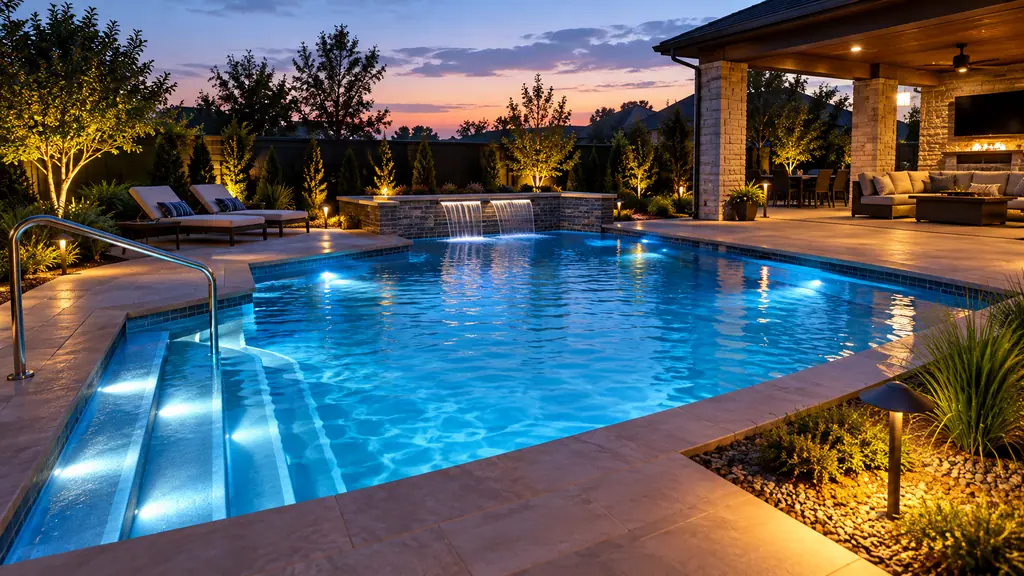
A pool can look completely different after sunset. The right lighting can make the water easier to see, help people move around the pool safely, and create a comfortable setting for evening swimming or entertaining. Poorly planned lighting, on the other hand, can create dark spots, glare, or areas that are difficult to see.
Good pool lighting is not simply about making the pool brighter. It is about deciding where light is needed, how much illumination each area requires, and how the lighting should work with the surrounding backyard. Safety, ambience, visibility, energy use, and ease of maintenance should all be considered before choosing fixtures.
For homeowners planning a new pool or updating an existing one, Salten Pools can help make the planning process easier by considering how lighting fits into the overall pool environment. A thoughtful lighting plan can improve the way the pool looks and functions after dark without making the space feel overly bright.
Start With Safety And Visibility
Safety should be the first priority when planning pool lighting. People need to be able to see the pool edge, steps, entry points, walking areas, and other important features clearly after dark.
A lighting plan should make movement around the pool easier without creating harsh glare. The goal is to provide enough light for people to understand their surroundings while keeping the environment comfortable.
Consider these important areas:
- Pool steps: Make entry and exit points easy to identify after sunset.
- Pool edges: Use suitable lighting to make the water boundary easier to see.
- Walking paths: Keep routes around the pool visible and comfortable to navigate.
- Seating areas: Provide enough light for people to move between the pool and outdoor living spaces.
- Changes in level: Highlight steps, ledges, or other areas where someone could lose their footing.
- Pool entrances: Make ladders, stairs, and other access points easy to identify.
Lighting should support visibility rather than simply increase brightness. Too much direct light can create reflections and make it harder to see certain areas.
Think About Where Light Should Go
The position of each light can affect the entire appearance of the pool. A fixture in the wrong location may produce glare, shadows, or uneven illumination even if the light itself is bright enough.
Before selecting fixtures, think about how people use the space at night. Look at the pool from different viewpoints, including inside the house, from the patio, and from seating areas.
A useful placement plan can include:
- Underwater lighting: Helps illuminate the pool and make the water easier to see.
- Step lighting: Provides focused visibility around entry and exit points.
- Path lighting: Guides movement around the pool and surrounding landscape.
- Wall lighting: Can illuminate nearby structures without placing fixtures directly in the pool.
- Landscape lighting: Adds visibility around plants, features, and outdoor areas.
- Accent lighting: Draws attention to selected design features without overpowering the space.
The best arrangement creates balanced illumination instead of concentrating all the light in one area.
Balance Function With Ambience
Once safety and visibility are addressed, lighting can also help create the mood you want around the pool. A backyard used for family swimming may need a different atmosphere from one designed primarily for evening entertaining.
A balanced lighting plan combines practical illumination with softer decorative elements. This makes the area useful while also giving it a more inviting appearance.
Think about the following choices:
- Soft lighting: Creates a relaxed atmosphere for evening gatherings.
- Focused lighting: Draws attention to selected pool or landscape features.
- Layered lighting: Combines different sources instead of depending on one bright fixture.
- Subtle accents: Adds visual interest without making the area feel crowded with light.
- Balanced brightness: Keeps important areas visible while maintaining a comfortable mood.
Homeowners working with affordable pool contractors should still focus on the overall lighting plan rather than choosing fixtures based only on the initial purchase decision. A well-planned system can be more useful and visually balanced over time.
Choose Colors That Suit The Space
Light color can change the appearance of both the pool water and the surrounding backyard. Different tones can create different moods, so it is worth considering the atmosphere you want before making a selection.
Cooler tones can give a pool a crisp and modern appearance, while warmer tones can create a softer outdoor setting. Some systems also allow homeowners to change colors for special occasions.
Think about how color works with the rest of the property:
- Cool white: Can create a clean and bright appearance around the water.
- Warm white: Can produce a softer and more relaxed outdoor feel.
- Color-changing lights: Allow homeowners to adjust the atmosphere for different occasions.
- Single-color systems: Can provide a simple and consistent visual style.
- Coordinated lighting: Helps connect the pool with patios, landscaping, and outdoor structures.
The best color choice depends on personal preference, the pool design, and how the surrounding outdoor space is already styled.
Plan Lighting During Pool Construction
Lighting is easier to plan when it is considered early in the pool project. Waiting until construction is nearly finished can limit placement options and make certain changes more difficult.
Homeowners planning to install swimming pools should discuss lighting during the design stage rather than treating it as a final decorative decision. Early planning allows the lighting layout to work with steps, benches, walls, landscaping, and other pool features.
Important planning points include:
- Fixture locations: Decide where each light should provide useful illumination.
- Electrical planning: Make sure the lighting system is designed around appropriate electrical requirements.
- Pool features: Consider steps, benches, shelves, waterfalls, and other elements that may affect visibility.
- Control options: Decide how the lights will be switched, adjusted, or scheduled.
- Future maintenance: Choose locations that allow practical access when servicing is needed.
Early planning can also reduce the risk of placing lights where they create unwanted glare or shadows. For more ideas about planning your backyard pool, read Choosing the Right Pool Shape and Size for Your Backyard Space in Mesa Homes.
Consider Existing Pool Remodeling Needs
Lighting does not have to be planned only for a brand-new pool. Existing pools can also benefit from a better lighting layout, especially when the current system creates dark areas or no longer matches the way the space is used.
During a renovation, lighting can be considered alongside resurfacing, updated features, new landscaping, or changes to the surrounding patio. This creates an opportunity to improve both appearance and function.
Homeowners may want to review:
- Old fixtures: Check whether existing lights still provide suitable illumination.
- Dark areas: Identify parts of the pool or deck that are difficult to see at night.
- Outdated controls: Consider whether the current controls are convenient to use.
- Glare problems: Look for fixtures that shine directly toward seating areas or windows.
- Changing needs: Consider how the pool is currently used compared with when it was first installed.
Swimming pool remodel contractors can evaluate how lighting improvements fit into a larger renovation plan when multiple pool features are being updated together.
Make Outdoor Areas Work Together
Pool lighting should not be viewed as a completely separate part of the backyard. The pool, patio, landscaping, pathways, outdoor kitchen, and seating areas all contribute to the nighttime experience.
A well-coordinated plan helps people move naturally from one area to another. It also prevents the pool from looking extremely bright while the surrounding areas remain difficult to see.
Consider coordinating:
- Pool lighting: Provides visibility within and around the water.
- Patio lighting: Helps people use seating and entertaining areas comfortably.
- Path lighting: Guides movement between different outdoor spaces.
- Landscape lighting: Highlights plants, trees, walls, and other features.
- Feature lighting: Adds visual interest to selected architectural or landscape elements.
The goal is not to illuminate every surface equally. Instead, create a comfortable transition between brighter and softer areas.
Think About Glare And Reflections
Glare can be one of the biggest problems with poorly positioned pool lights. A fixture may appear useful from one angle but become uncomfortable when viewed from a lounge chair, window, or pool deck.
Water also reflects light, which can make glare more noticeable. This is why fixture direction and placement matter just as much as brightness.
Before finalizing the layout:
- Check viewing angles: Look at the proposed lighting from common seating and walking positions.
- Avoid direct glare: Position lights so they do not shine unnecessarily toward people’s eyes.
- Watch water reflections: Consider how the surface of the pool will reflect the light.
- Use layered illumination: Combine different light sources rather than relying on one strong fixture.
- Test the atmosphere: Evaluate whether the space feels comfortable after dark.
A lighting system should make the pool easier to enjoy, not make people avoid certain areas because the light feels harsh.
Consider Energy And Maintenance
Pool lights operate in an outdoor environment, so energy use and maintenance should be considered during planning. Choosing suitable equipment can make ongoing operation easier and help the system fit naturally into the home’s outdoor routine.
LED technology is commonly considered for pool and landscape lighting because it can provide efficient illumination and a long service life. However, the right equipment still depends on the specific installation.
Keep these practical factors in mind:
- Energy efficiency: Choose lighting designed to provide useful illumination without unnecessary energy use.
- Durability: Outdoor fixtures should be appropriate for the environment where they will be installed.
- Easy controls: Convenient controls make it easier to manage lighting throughout the evening.
- Service access: Fixtures should be positioned with future maintenance in mind.
- System simplicity: A straightforward setup can be easier for homeowners to understand and operate.
A good lighting plan should look attractive on installation day and remain practical as the pool is used over the years.
Create A Lighting Plan Before Choosing Fixtures
Buying attractive fixtures before planning the layout can lead to an uneven result. Start with the way the pool is used, then decide what areas need light and what type of atmosphere you want to create.
Walk around the property after sunset if possible. Notice where visibility is poor and where existing outdoor lighting already provides enough illumination.
A simple planning process can include:
- Map the pool area: Mark steps, entrances, seating, paths, and key features.
- Identify dark spots: Note areas that become difficult to see after sunset.
- Choose priorities: Decide which areas require functional lighting first.
- Add decorative elements: Consider accent lighting after safety needs are addressed.
- Review the entire backyard: Make sure the pool lighting works with nearby outdoor areas.
- Discuss installation requirements: Confirm the system can be installed safely and appropriately.
Planning first makes it easier to choose fixtures that support the overall design instead of forcing the design around the fixtures.
Light Your Pool For Better Nights
A successful pool lighting plan does more than brighten the water. It helps people see where they are going, makes important pool features easier to identify, and creates an inviting atmosphere for evenings outdoors.
Start with safety and visibility, then build in ambience through thoughtful placement, color, brightness, and surrounding landscape lighting. Consider maintenance and energy use as well so the system remains practical after installation.
Contact us today to discuss your pool plans and explore lighting options that can support the way you want to use your outdoor space. With thoughtful planning, Salten Pools can help homeowners create a pool environment that feels comfortable, attractive, and easier to enjoy after sunset.