How to Know It’s Time to Replace vs Repair Pool Equipment
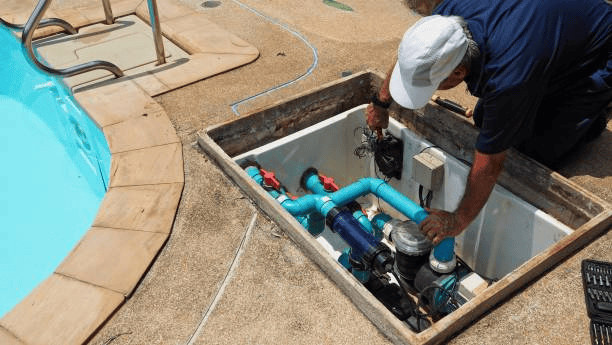
Keeping your swimming pool in top condition requires more than just skimming leaves and balancing chemicals. The heart of a healthy pool lies in its equipment—pumps, filters, heaters, and chlorinators—all working together to keep the water clean, safe, and enjoyable. Over time, even the best-maintained pool equipment can wear out, leaving many pool owners wondering whether it’s better to repair or replace a failing system.
At Salten Pools, we specialize in helping homeowners make these decisions, providing expert pool equipment repair services and guidance to ensure your pool stays in peak condition year-round. In this guide, we’ll explore the signs that indicate it’s time for maintenance, when replacement might be the smarter choice, and how to extend the life of your pool equipment.
Signs Your Pool Equipment Needs Repair
Recognizing early signs of trouble can prevent expensive damage and maintain optimal pool performance. Below are common warning signs that indicate it might be time to schedule Mesa pool equipment repair or other services.
1. Strange Noises and Vibrations
When pool equipment starts making unusual noises, such as grinding, rattling, or squealing, it often points to mechanical issues. Pumps are especially prone to this as motor bearings wear out. Ignoring these sounds can lead to permanent damage, so prompt pool pump repair is essential.
2. Reduced Water Flow
If your pool’s water circulation seems weaker than usual, this can indicate clogged filters, pump issues, or air leaks in your system. Reduced flow can affect water quality and even cause your pool heater to overwork. Regular swimming pool equipment repair can restore proper circulation.
3. Leaks or Moisture Around Equipment
Leaks not only waste water but can also damage surrounding electrical components. If you notice water pooling around your pump, filter, or heater, it’s a clear sign that immediate pool equipment repair service is needed.
4. Frequent Tripping of Circuit Breakers
Electrical problems can be serious. If your breakers trip repeatedly, it may indicate an overloaded system or faulty wiring. Professional Mesa pool equipment repair ensures safety and prevents further damage.
When to Consider Replacing Pool Equipment
Sometimes repairs aren’t enough, especially for older or heavily used systems. Here are key factors to consider when deciding whether to replace your equipment.
1. Age of Equipment
| Equipment Type | Typical Lifespan |
| Pool Pumps | 8–12 years |
| Filters | 5–10 years |
| Heaters | 10–15 years |
| Chlorinators | 3–7 years |
If your equipment exceeds its typical lifespan, frequent repairs might indicate it’s more cost-effective to replace rather than maintain it.
2. Cost of Repairs vs Replacement
A helpful rule of thumb: if repair costs are more than 50% of the price of a new unit, replacement is often the smarter financial choice. Constant repairs add up quickly, especially with pumps and heaters.
3. Technological Upgrades
Newer pool equipment often includes energy-efficient pumps, automation, and better filtration. Replacing outdated systems can lower utility bills, improve performance, and enhance your pool experience.
4. Frequent Breakdown History
If a specific piece of equipment keeps failing, replacement is usually more practical. Persistent issues with pumps, heaters, or chlorinators are signs that a new unit is necessary.
Preventative Maintenance Tips to Extend Equipment Life
Regular care reduces repair needs and extends the life of your pool equipment. Here are actionable tips:
1. Keep Equipment Clean
Debris accumulation can cause pumps to overheat and filters to clog. Clean skimmers, baskets, and filter cartridges regularly to ensure smooth operation.
2. Schedule Professional Inspections
Annual professional inspections can detect wear and tear early. Certified technicians performing swimming pool equipment repair can spot potential problems before they become costly emergencies.
3. Monitor Water Chemistry
Balanced water prevents corrosion and scaling, which can damage pool equipment. Check pH, chlorine levels, and total alkalinity regularly.
4. Lubricate Moving Parts
Some pumps and valves require occasional lubrication to function properly. Following manufacturer guidelines helps prevent mechanical failure.
5. Protect Equipment from Weather
Outdoor equipment is exposed to the elements. Installing covers or enclosures for pumps, heaters, and filters can reduce wear from sun, rain, or freezing temperatures.
How to Choose the Right Pool Equipment Repair Service
A trusted repair service ensures safety, efficiency, and longevity. Here’s how to choose the best one:
1. Licensed and Experienced Technicians
Look for services with certified technicians experienced in pool equipment repair services. Proper handling of pumps, heaters, and automated systems ensures reliable results.
2. Transparent Pricing
Good repair services provide clear estimates for both repairs and replacements. Avoid surprises with upfront quotes.
3. Reputation and Customer Reviews
Choose a company with a strong reputation for quality and reliability. For example, Salten Pools is recognized for expert Mesa pool equipment repair and customer satisfaction.
4. Comprehensive Service Options
A full-service repair company can handle pumps, filters, heaters, chlorinators, and automation, saving you the hassle of multiple contractors.
Cost Factors for Pool Equipment Repair
Understanding what affects repair costs helps you budget and plan effectively.
- Type of Equipment: Pumps and heaters are generally more expensive to repair than filters or chlorinators.
- Extent of Damage: Minor issues like clogged filters are cheaper than replacing motor bearings or control boards.
- Labor Costs: Skilled technicians may charge more, but proper repair avoids recurring problems.
- Parts Availability: Older equipment may require special-order parts, adding to the cost.
By factoring these considerations, you can decide whether pool equipment repair services or replacement is more practical.
DIY vs Professional Repair
While minor maintenance can be done at home, most serious pool equipment issues require professional expertise:
| DIY Tasks | Professional Repair |
| Cleaning skimmers and baskets | Pump motor repair |
| Checking water chemistry | Heater or automation troubleshooting |
| Lubricating valves | Filter replacement and inspection |
| Visual inspection for leaks | Full system diagnostics |
Attempting complex repairs without training can be dangerous and costly. Professional repair ensures safety, efficiency, and long-term performance.
Conclusion
Knowing when to repair or replace pool equipment is crucial for maintaining a safe, efficient, and enjoyable swimming environment. From unusual noises and leaks to aging systems and cost analysis, understanding these signs helps you make informed decisions. At Salten Pools, we offer expert pool equipment repair services and guidance to keep your pool in top condition. Whether it’s a quick repair or a full replacement, our team ensures your pool operates safely and efficiently year-round.
Need help determining whether to repair or replace your pool equipment? Contact our experienced technicians for professional advice and service. Contact Us